

The Most Important Issue We’re Not Talking About
By Ellie Victor, Co-CEO
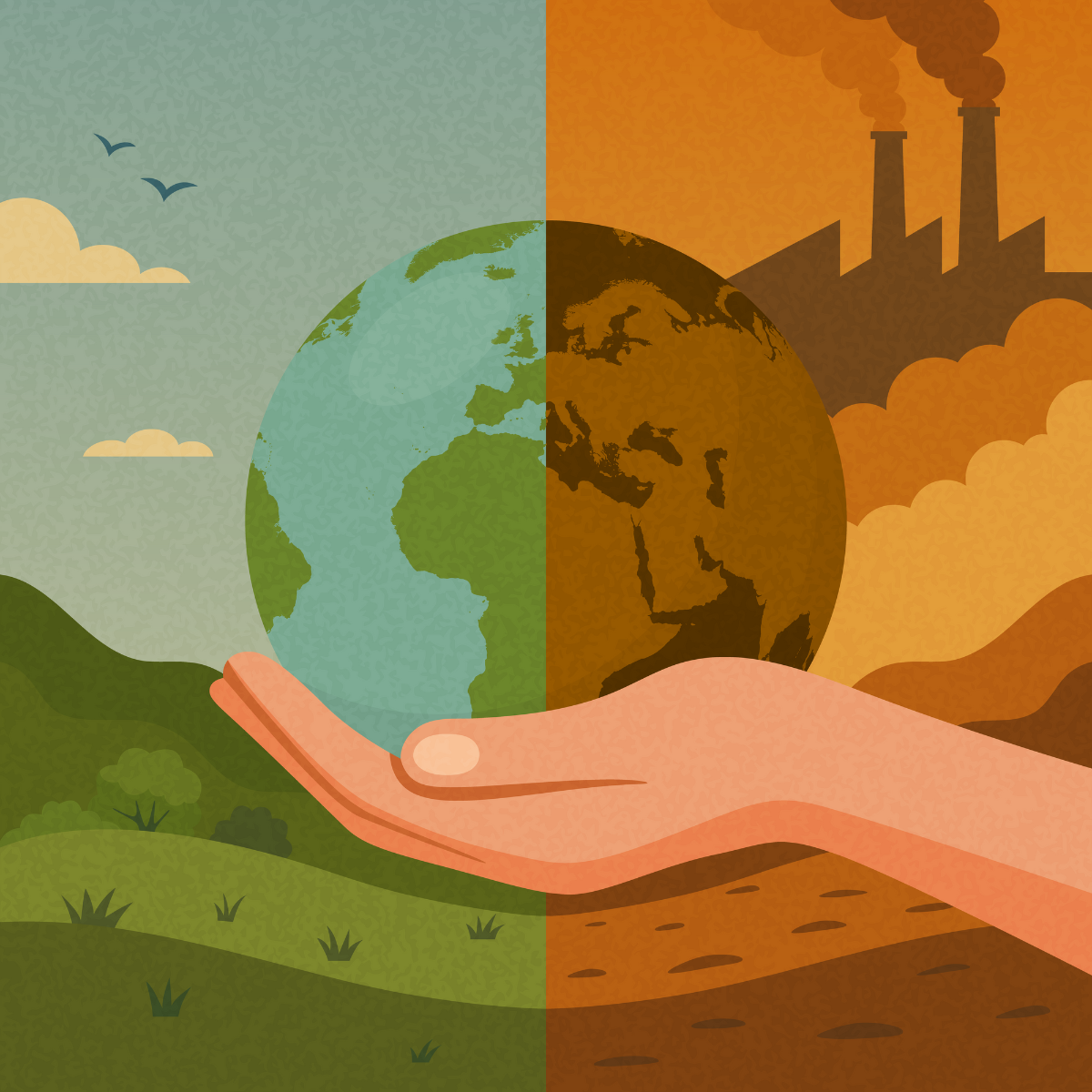
What if I told you there’s a single issue quietly accelerating nearly every global crisis we face today? Public health. Climate change. Deforestation. Pollution. Water scarcity. Biodiversity loss. Ocean collapse. Systemic injustice. They may seem like separate problems, but they all share a common root: industrial animal agriculture.
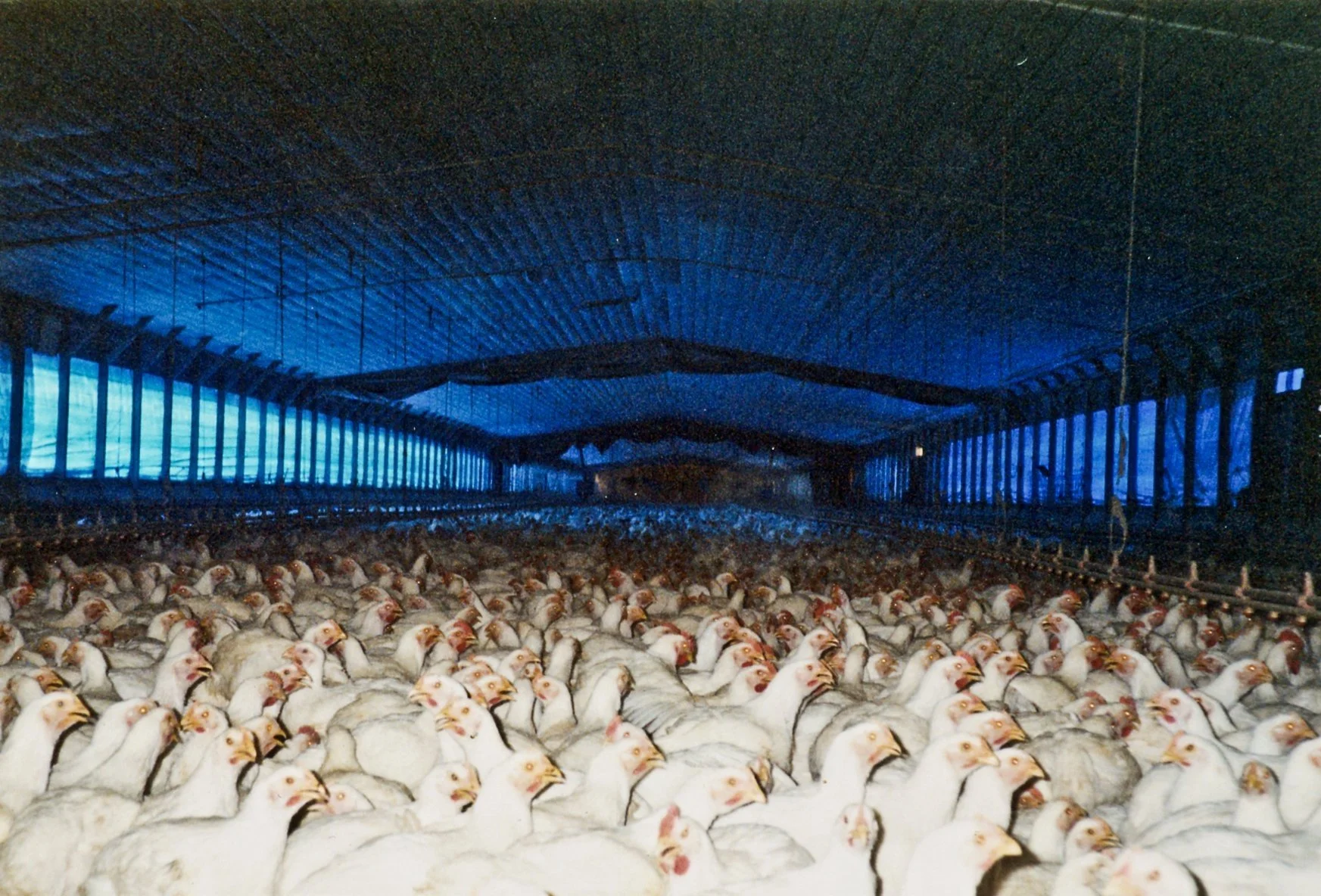
Photo credit: Farm Sanctuary
Many of us sense—somewhere in the back of our minds—that something about our food system isn’t right. But it’s easier not to look. And that’s exactly how the system survives: by staying hidden, normalized, and convenient.
I’ve spent my career helping companies position bold ideas, but this may be the greatest positioning challenge I’ve ever tackled—because food is personal, cultural, and emotional.
This article aims to build a shared understanding of how our food system really works—and to offer a compelling entry point for rethinking systems that no longer serve us. I hope to appeal to your mind with facts from reliable sources (UN, WHO, Our World in Data, World Wildlife Fund, Oxford University), and to your heart—whatever values you hold close.
Most people don’t realize how dramatically our food system has changed in a single generation. Since the 1970s, the U.S. has led the rise of industrialized animal agriculture—a system that treats animals and the environment as commodities, with little regard for stewardship.
When we zoom out, a clear pattern emerges:
What we eat, how it’s produced, and what it impacts are all deeply interconnected. The science is clear, backed by a wide body of evidence all pointing in the same direction. Yet much of this research is underfunded, while dominant narratives are fueled by billions in subsidies and marketing dollars.
Here, you’ll find eye-opening truths that often fly under the radar—about how intensive livestock production impacts our health, environment, food and water security, the balance of nature, and the lives of animals. You’ll also find resources to learn more and get inspired to take action.
As the most powerful species on Earth, we have a responsibility to protect what feeds us all. Even small changes can lead to big impact—opening the door to new flavors, better health, and a deeper connection to the world around us.
6 Surprising Truths About Our Global Food System
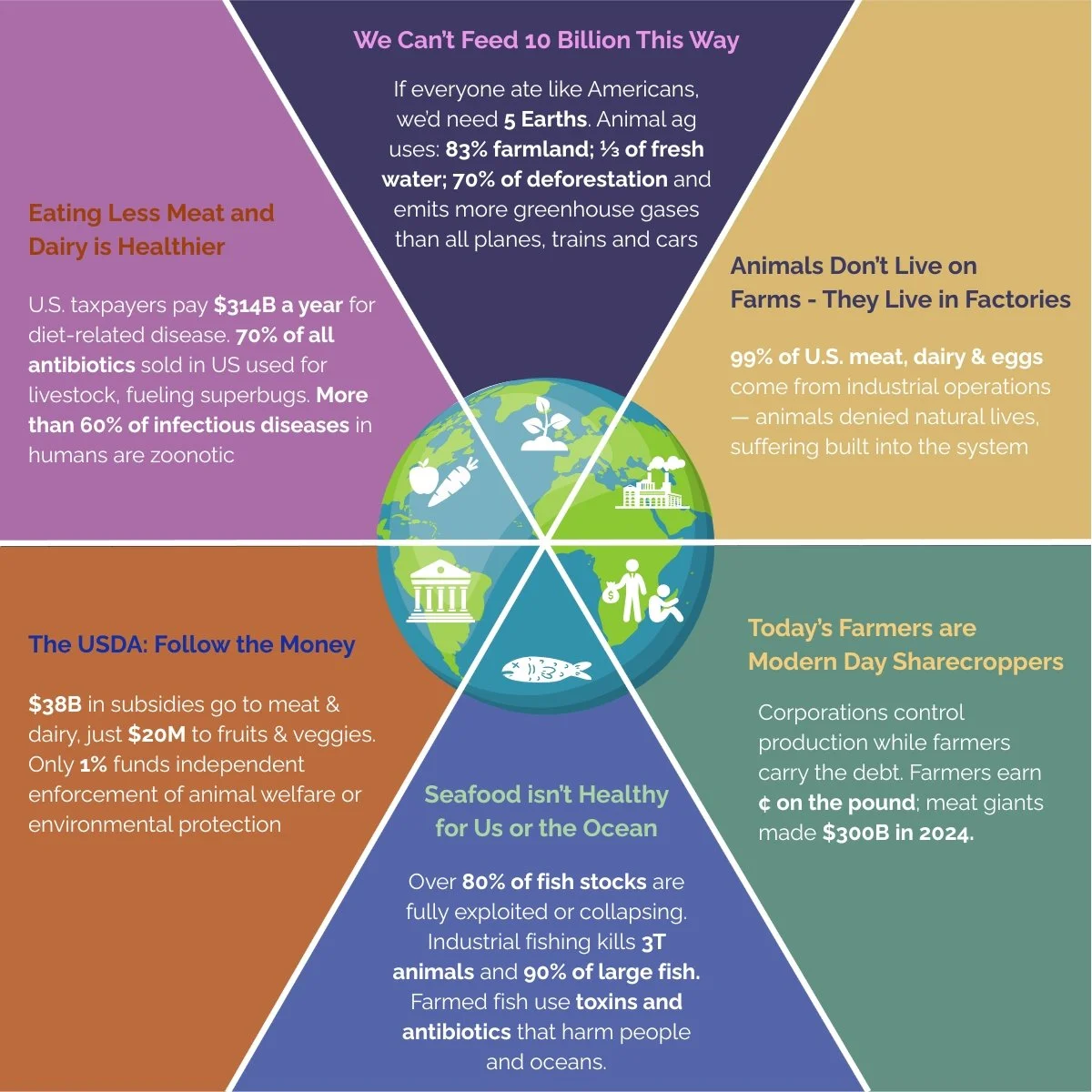
Here’s what the 6 surprising truths about our global food system reveal.
-
As the global population nears 10 billion, our current food system is pushing the planet past its limits. If the entire world adopted the American diet, we’d need nearly five earths to sustain it. We’re already consuming nature 1.7 times faster than ecosystems can regenerate.
Animal agriculture is a key driver:
Land & Water: The livestock industry uses 83% of the world’s farmland, nearly a third of our fresh water and drives over 70% of Amazon deforestation, yet provides just 18% of our calories due to its inherent inefficiency. A shift to plant-based diets could make agriculture 75% more efficient by using resources to feed people, not animals.
Climate: Producing meat and dairy generates more global greenhouse gasses than all trains, planes, and cars combined.
Biodiversity: 96% of mammal biomass today is humans and livestock—just 4% are wild animals.
Soil: Over half of the world’s agricultural soils are eroded or degraded, mostly due to monocrops to feed animals. Livestock waste fuels toxic runoff, polluting our waters and creating aquatic dead zones.
Climate conversations often center on oil and gas. But avoiding meat and dairy is the single most impactful way to reduce your environmental footprint.
-
Most meat today comes from animals raised under contract for corporations like Tyson, JBS or Smithfield. These companies dictate everything—from feed to warehouse structure and lighting—while farmers shoulder the debt, labor, and risk.
Pig farmers earn an average of just $19,000/year in net cash income.
Poultry farmers make about 6.79 cents per pound, just 2%-5% of retail price, but must invest an average of $1 million to set up, putting them on a debt treadmill. Collectively, poultry farmers carry $5.2B in debt.
Meanwhile, the top four U.S. meatpackers brought in about $300 billion in 2024. Many farmers call the system modern-day sharecropping: corporate control with built-in debt for farmers.
-
99% of Meat, Dairy, and Eggs Come from Factories, Not Farms
Animals on industrial farms are bred, fed, and confined to grow to slaughter weight as fast as possible.
Chickens are now 150% larger than in the 1950s.
Dairy cows are impregnated repeatedly, their calves taken at birth, and milked until they collapse.
Mother pigs nurse through bars in crates too small to turn around.
Mutilations like debeaking, tail docking, and castration are routine—performed without pain relief.
Most animals live in windowless sheds, standing in waste, denied sunlight, space, and any form of natural behavior.
These practices would be illegal for pets. Yet farm animals show similar intelligence and capacity for suffering.
-
Lately, too many friends have been diagnosed with heart disease, diabetes, or cancer. And in nearly every case, their medical nutritionist offered the same advice: switch to a plant-based diet. It makes me wonder—why wait until the situation is dire to get this message out?
Leading health organizations recommend plant-based diets to reduce risk of heart disease, diabetes, and cancer. The WHO classifies processed meat as carcinogenic.
Today’s meat and dairy isn’t “natural” — animals are raised on growth hormones, calorie-dense feed, and antibiotics. 70% of U.S. antibiotics are used on livestock—not to treat illness, but to keep animals alive in unsanitary conditions. This fuels antibiotic-resistant superbugs that threaten human health.
Moreover, animal agriculture is a major source of zoonotic disease risk. More than 60% of known infectious diseases in humans and up to 75% of new or emerging infectious diseases originate from animals.
Meanwhile, 95% of Americans don’t get enough fiber, and the single best predictor of gut health is plant diversity.
The cost? An estimated $314 billion a year in diet-related disease—paid by U.S. taxpayers.
-
Since its founding in 1862, the USDA’s primary mandate has been to promote agriculture, not police it. Unlike agencies like the FDA or SEC—where 70%–100% of the budget goes to enforcement—just 1% of the USDA’s budget supports independent oversight of animal welfare.
The USDA doesn’t have a single regulation directed toward how animals are treated on farms. It also directs $38 billion a year in subsidies to meat and dairy, while fruits and vegetables get just $20 million. That’s not just an imbalance—it’s a barrier to a healthier food system.
-
We think of seafood as healthy and plastics as the ocean’s biggest threat. But the seafood industry is decimating marine life and our ocean's health.
3 trillion animals are killed annually for seafood.
For every fish caught, vast numbers of unintended animals die too: up to 40% of the catch may be discarded as bycatch, including millions of dolphins, sea turtles, seabirds, and sharks.
"Ghost gear” (abandoned nets) injures or kills two-thirds of marine mammal species.
Bottom trawling razes coral reefs and releases carbon from marine sediments, further warming the planet.
Fish farming isn't better. Crowded pens breed disease, treated with antibiotics and chemicals that pollute local ecosystems. And many farmed fish are carnivores—so still depend on industrial fishing for feed.
No mandatory enforceable labels inform consumers about marine life treatment.
What We Can Do: A Better System Is Possible

Nature already shows us what balance looks like. But instead of supporting healthy ecosystems, we’ve replaced diversity with monocultures—chickens, pigs, cows—raised in confinement and disconnection, separated from the land they once helped sustain.
We raise 80 billion farm animals each year, while nearly 70% of global wildlife has vanished in the last 50 years. This isn’t just a numbers problem—it’s a systematic failure.
We need a food system rooted in stewardship, equity, and resilience—one that nourishes everyone without robbing the future.
You may be wondering if I believe eating animals is inherently wrong. I don’t. But I do believe the way we treat them during their short lives is. Today, we deny 80 billion animals a year the most basic freedoms: to mate, raise their young, socialize, roam, forage, nest. Instead, they’re bred, confined, and slaughtered at a scale that’s only growing as the population nears 10 billion.

The solution must be multi-pronged—protecting the health of people, animals, and the planet. That means eating less meat and dairy and exploring plant-based options—not just for personal health, but to signal demand to corporations and policymakers. We also need policies that account for the true cost of meat and dairy, including their environmental toll.
For example, it takes more than 100 gallons of water to produce a single pound of beef. Taxing meat and dairy in proportion to their resource use and emissions—much like carbon pricing—could shift behavior and incentives. Switzerland now requires labels disclosing cruelties like tail docking. Innovation will also play a key role—from vertical farming to helping livestock farmers transition to more sustainable models like Transfarmation and cultivated meats.
Legal scholar Martha Nussbaum’s Justice for Animals outlines a future rooted in compassion and justice — one where animals are treated not as units of production but as fellow beings with lives that matter.
The Point That Matters is: Our current food system is both unsustainable and unhealthy—and shifting to a plant-friendly diet is the fastest, most effective way to ensure our children inherit enough food, clean water, and nature to thrive.
Thanks for reading. I’d love to hear what resonated with you, what surprised you, and what questions remain. This isn’t about perfection—it’s about moving forward, together.
Additional Resources
-
Watch
Lewis Bollard’s TED Talk
Eating for Tomorrow (full picture impact of our global food system on environment, biodiversity, animal welfare, our health)
Forks over Knives (health)
The Game Changers (health)
Milked (dairy industry)
The Smell of Money (pollution and community)
The End of the Line: The Destruction of our Seas (fishing)
Read
Justice for Animals: Our Collective Responsibility by Martha Nusbaum
Eating Animals by Jonathan Safron Foer
Animal Liberation by Peter Singer
Transfarmation: The Movement to Free Us from Factory Farming by Leah Garces
Beyond Words: What Animals Think and Feel by Carl Safina
-
Advocate for stronger animal welfare and environmental protections at local, state and federal levels. Sign the Animal Bill of Rights. Here’s a quick guide to food labels. Most are simply marketing messages and not enforced. Support Mercy for Animals, a non profit focused on replacing industrial animal agriculture with a more just and sustainable food system.
-
Try starting with just one plant-based meal a day, or go meat-free one day a week. Let everyone in your family take turns picking the dish or helping cook. You can even host a “Top Chef: Plant-Based Edition” at home, or challenge friends to a meatless meal-off.
One of the biggest swaps you can make is to reduce dairy. Try oat milk, almond milk and plant-based cheeses. Give yourself the challenge of eating 30 different plants a week. I like to think about eating the rainbow, or fueling myself with G-BOMBS (Greens, Beans, Onions, Mushrooms, Seeds) every day.
Sources
FAO, Our World in Data, WWF, The Humane League Global Footprint Network, Oxford, Greenpeace, IAPWA, UN Environment Programme, Stanford and UC Berkeley: Pew Commission on Industrial Farm Animal Production, CDC, Transfarmation Project, Ethical Consumer, Truth about Dairy; WHO, Oxford University, The China Study, Stanford Lifestyle Medicine; USDA ERS, Pew Commission on Industrial Farm Animal Production, Global Agriculture & Food Security Program, Transfarmation, Farm Subsidy Database, Eating for Tomorrow; WWF Overfishing; UN Overfishing Seabed Trawling Bottom Trawlers, Farmed Fishing Salmon, MFA Shrimp; Coral reefs; Dolphins, Labeling, # of deaths. Sea Animal Welfare